C major on Guitar
Also called: Ionian Mode
C major contains the seven natural notes, C through B. On guitar, it is a useful map for learning note names without sharps or flats, and for understanding the one-fret gaps between E–F and B–C.
Scale on staff
Treble clef · Root to octave
Swipe across the staff to see every note.
Notation details
C major signature: no sharps or flats. Other alterations are marked on the notes.
The 8 below the clef indicates that Guitar sounds one octave below these written notes. This example uses an octave close to the staff for easier reading, keeping the scale’s key and canonical spelling.
Find and hear notes
Flats and sharps can name the same pitch. Staff notes keep their canonical spelling.
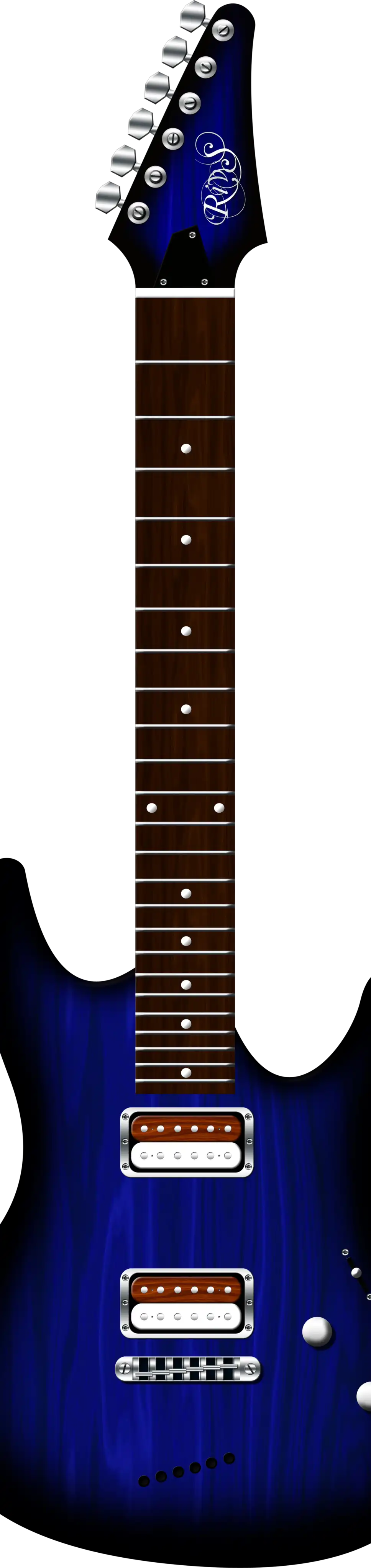
Tap a note to hear it. Scroll along the neck to explore frets.
Keyboard controls
Keyboard: use arrow keys to move between notes, then Enter or Space to play.
Understand the scale
The major scale has seven notes and a major third. Its half steps lie between degrees 3–4 and 7–1, giving a useful reference for comparing every other degree pattern.
Each note has an interval measured from the root. The graph spaces notes by semitones (one fret each); the numbers between markers show the steps to neighboring notes. The final note is the root one octave higher.
Semitones from the root. Steps between neighboring notes (semitones).
Read the intervals
- C — Root (unison); 0 semitones from the root. Next step: 2 semitones
- D — Major second; 2 semitones from the root. Next step: 2 semitones
- E — Major third; 4 semitones from the root. Next step: 1 semitone
- F — Perfect fourth; 5 semitones from the root. Next step: 2 semitones
- G — Perfect fifth; 7 semitones from the root. Next step: 2 semitones
- A — Major sixth; 9 semitones from the root. Next step: 2 semitones
- B — Major seventh; 11 semitones from the root. Next step: 1 semitone
- C — Octave (root); 12 semitones from the root.
How the fretboard repeats
Fret 12 has the same note name as the open string, one octave higher. The pattern repeats every 12 frets. Between E and F, and between B and C, there is one semitone; the other adjacent natural notes are two semitones apart.
Most neighboring strings are a perfect fourth apart. The G-to-B pair is a major third, so a shape crossing that pair shifts by one fret. The two E strings share note names at every fret, two octaves apart.
Try this
- Start on C at fret 3 of the A string.
- Follow D and E on the next string, then F, G, A, B and C across the upper strings.
- Say each note and notice when a neighboring string gives an alternative position.
Put the notes into practice
Today’s Fretuodle uses the shared theme, which may differ from this reference. Your practice here does not affect Fretuodle results.
Take it beyond the daily challenge
Explore notes and scales at your own pace in the learning library, or keep practicing on your mobile device with Fretuoso®.
 Discover Fretuoso®